Budget Landscaping El Cajon
Work with El Cajon experts who interpret your microclimates-featuring semi‑arid heat, DG over clay lenses, canyon breezes, and cold sinks-and design vegetation-based landscapes with indigenous succulents, manzanitas, and Ceanothus. We arrange for fire‑wise airflow, implement mineral mulches, and add permeable patios and bioswales. Our water management is hydrozoned, pressure‑regulated, ET‑driven, with cycle‑soak on slopes. We validate infiltration, avoid perched water, and track runtimes and seasonal care. You obtain year‑round bloom, lower water needs, and resilient hardscape tuned to local codes-see how it all comes together.
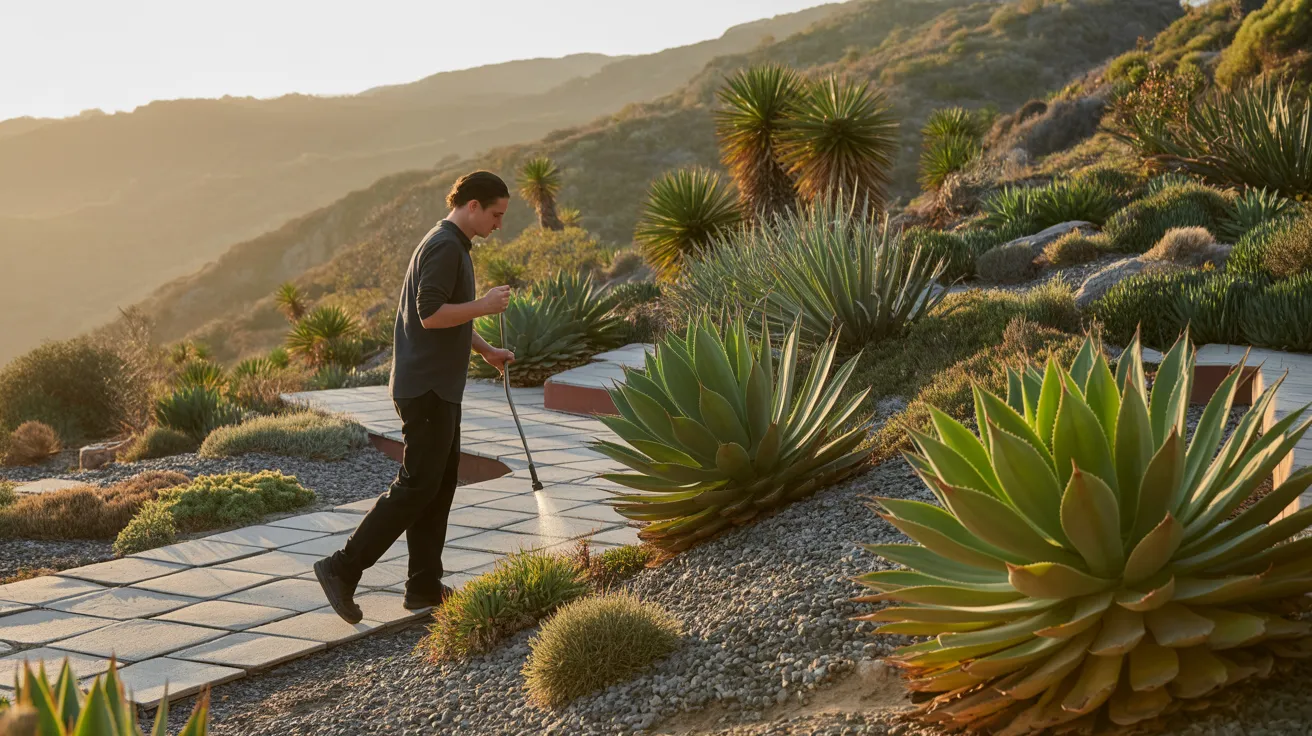
Main Points
- Regional specialists focusing on El Cajon's semi‑arid climate, assessing local microclimates and soil types to enhance vegetation growth, shade coverage, and water efficiency.
- Drought‑tolerant landscaping options showcasing indigenous plants, drought‑hardy succulents, low‑water bushes and UC Verde lawn alternative, complemented by gravel ground cover and minimal soil amendments.
- Smart irrigation design featuring targeted drip irrigation, pressure‑controlled sprinklers, weather-sensing control units, and timed soak cycles to prevent water runoff.
- Permeable hardscapes and drainage designs that direct drainage from rooftops and outdoor areas into swales, improving water infiltration and preserving foundation integrity.
- Code-savvy operations: defensible-space maintenance, recycled water indicators, integrated pest management cycles, and thorough documentation featuring warranties and audit records.
Understanding Why Local Knowledge is Essential in El Cajon
Across El Cajon's sun-drenched, semi-arid terrain, professionals carefully adjust plant palettes, water management, and soil enhancement to suit local environmental factors. You'll choose drought-tolerant plants like manzanita, California lilac, and sage that flourish in alkaline soil conditions, sunny exposures, and occasional gusts. Specialists customize sprinkler patterns based on topography and water infiltration to prevent water waste. They analyze soil composition-typically featuring decomposed granite above clay layers-and add specific enhancements to eliminate water stagnation.
You'll also need to handle municipal requirements: safety buffer zones, reclaimed water notifications, and runoff guidelines that affect plant spacing, ground cover depth, and watering sectors. Local experts anticipate typical pest challenges-citrus-targeting Argentine ants, wood-boring beetles, and spider mite populations expanding in hot weather-and arrange strategic pest management, beneficial insect releases, and maintenance windows that protect nesting wildlife while optimizing garden vitality.
Climate‑Smart Garden Design for Perpetual Charm
Even as climate conditions shift and moisture arrives in pulses, you can develop a hardy weather-resistant landscape by harmonizing biological timing, irrigation needs and structure to El Cajon's desert-like environment. Launch your plan with microclimate mapping: monitor sunlight patterns, heat sinks near masonry, canyon breezes, and cool spots in depressions. Configure hydro‑zones to drainage patterns and precision watering, then apply organic material to control soil climate and prevent water waste.
Create layered plantings with canopy, understory, and ground cover to ensure year-round interest. Schedule blooming periods, foliage changes, bark features, and seedhead displays to span winter dormancy and summer peaks, maintaining reliable resources for pollinators and wildlife. Conduct soil texture analysis to determine amendment needs and watering schedules, focusing on deep, infrequent irrigation. Maintain proper pruning for air circulation and light penetration, and incorporate permeable surfaces to manage water flow and support root health.
Drought‑Tolerant Plant Selections That Thrive
You'll create a indigenous succulents collection ideal for El Cajon's warm, dry summers-think Agave shawii, Dudleya species, and Opuntia that provide foundation with minimal irrigation. You'll integrate them with a low-water shrubs lineup such as Artemisia californica, Salvia clevelandii, and Ceanothus 'Yankee Point' to stabilize slopes and attract beneficial insects. You'll recommend gravelly, fast-draining soils, south/southwest exposures, and thorough, occasional watering to maintain vitality and minimal upkeep.
Native Succulents Palette
Create your El Cajon garden with a collection of indigenous and adapted succulents that adapt to hot, inland valleys, reflective heat, and occasional water scarcity. Prioritize well-lit spaces with well-draining, gritty soil. Position Agave shawii, Dudleya edulis, and Dudleya pulverulenta on raised rocky areas; minimize summer irrigation once established. Incorporate Hesperaloe parviflora and Epilobium canum as bee-attracting plants; their tubular blooms attract hummingbirds and native bees through warmest months. For winter interest, use Cotyledon orbiculata and Aloe striata as seaside-adapted plants that tolerate inland exposure when offered afternoon shade. Insert Echinocereus triglochidiatus for spring blooms and ferocactus for architectural impact. Arrange vegetation for good air circulation, top-dress with inorganic ground cover, and hydrate deeply but infrequently to promote compact growth and pathogen prevention.
Low-Maintenance Shrubs Guide
When summer warmth radiates off concrete and building surfaces in El Cajon, select woody shrubs that tolerate 100°F spikes, sandy-clay soils, and extended drought periods. Consider Arctostaphylos 'Howard McMinn' for permanent greenery; it tolerates lean, fast-draining sites and needs deep, infrequent irrigation. Combine with Leucophyllum frutescens; it blooms after monsoonal humidity, attracting pollinators while resisting reflected heat. Ceanothus 'Ray Hartman' offers spring bloom and rapid screening; avoid summer water once established. Salvias like 'Clevelandii' and 'Pozo Blue' manage alkaline soils and coastal sage exposure.
Incorporate pink muhlygrass to create an effective buffer for airflow and fire-wise spacing. Site butterfly bush at a hot south or west exposure with good drainage; remove spent blooms to prevent reseeding. Use stone-based ground cover, not bark; provide moisture once a month in summer.
Intelligent Irrigation Solutions and Control Systems
Commonly disregarded, optimal irrigation in El Cajon begins by aligning irrigation techniques to botanical water demands and microclimates. Match drip emitters for deep-rooted shrubs, multiple-jet rotary nozzles for turf, and micro-sprinklers for groundcovers under tree coverage. Group plants by hydrozone and light conditions, then implement sensor zoning to distinguish clay pockets from decomposed granite, and inclines from level ground.
Set up regulated pressure heads and valve checks to avoid excess misting and drainage issues. Utilize flow sensors to identify system leaks and blockages. Set up climate-responsive scheduling that uses local evapotranspiration data, adapts to coastal morning conditions, and increases duration during heat events. Schedule watering early morning, increase cycle length while decreasing frequency for drip systems, and implement cycle-soak irrigation on inclines. Perform quarterly inspections: verify precipitation rates, uniformity, and root-zone infiltration.
Outdoor Hardscaping: Essential Elements
In El Cajon's hot, low-rainfall climate, you'll need to select patio layouts that control heat gain, incorporate shade for native understory plants like manzanita and coast live oak, and enable proper runoff to landscaped water-retention areas. You'll need to pick walkway materials-textured concrete, permeable pavers, or stabilized decomposed granite-based on slip resistance, albedo, and root-zone protection for adjacent drought-tolerant species. For terraced planting areas and slopes, you'll need to include retaining walls with calculated drainage systems, geogrid reinforcement where needed, and growing areas to accommodate indigenous ground-level plants and minimize heat reflection.
Outdoor Living Space Designs
Patios form the foundation of outdoor living in El Cajon by creating durable, temperature-resistant surfaces that connect to planting zones and drainage. It's important to size the slab to microclimate: orient shade structures west, and select high-SRI finishes to minimize summer heat. Select permeable bases that decompress clay subsoil and channel runoff to drainage swales or fruit tree basins.
Design paver arrangements that direct circulation and create functional zones-opt for herringbone for high-traffic areas near grill areas, install stack bond to create modern dining areas, choose ashlar designs to soften edges near low-water sages. Design a curved seat-wall surrounding a fire pit, mindful of wind direction and ensuring spark buffer from planted areas. Place thermal-break edges of decomposed granite where beds meet hardscape. Position root barriers adjacent to patio edges, improve adjacent soils, and incorporate drip systems to preserve foundations while irrigating landscape plantings.
Complete Guide to Walkway Materials
Outline your walking routes on the plan, then select materials that match El Cajon's weather patterns of heat, clay subsoils, and occasional stormflow. Pick surfaces that help regulate temperature and facilitate runoff absorption. Install permeable pavers on top of an open-graded base (made with 3/4" clean, then 3/8" bedding) to prevent puddling on dense clays and protect adjacent root zones. Use high-SRI colors to decrease heat buildup near drought-tolerant understories.
Install decomposed or crushed granite on informal walkways; stabilize using either resin binder or 5% fines, ensure 95% density through compaction, and create a 1.5% crown for proper drainage. Use steel or mortared curbing to keep granite from washing into planted areas. In shaded areas, choose textured concrete or stone paving cut into 24-36" sections to maintain traction over leaf debris. Keep joints at 3/8" width using angular grit filler to maintain drainage capabilities.
Expert Retaining Wall Services
After establishing reliable, penetrable routes in El Cajon's challenging conditions, you'll typically require elevation control that respects drainage and plant roots. Choose retaining wall solutions that reinforce gradients without starving plants of air or water. For low rises, implement gravity walls with deep, compacted base, stepped back batter, and water-permeable aggregate. Place perforated drains daylighted downslope to prevent hydrostatic pressure from building up.
For creating effective habitat and infiltration areas, select boulder terraces. Position each boulder upon undisturbed subgrade, making sure faces connect securely, and backfill using angular drain rock capped by compost-amended loam to support native chaparral plants. When constructing taller walls, use geogrid-reinforced segmental units, engineered for clayey soils and seismic loads. Maintain adequate distance from tree trunks, and route overflow toward vegetated swales or rain gardens.
Outdoor Lighting for Safety and Ambiance
When planning, outdoor lighting in El Cajon must balance the right combination of safety, plant health, and dark-sky compliance. The key is to align circuits with different microclimates, while ensuring fixtures are properly shielded to prevent glare and leaf scorch. Opt for warm 2700K LEDs with full cutoffs to safeguard nocturnal pollinators and decrease skyglow. Install LED pathway bollards at 12-14" height, arranged according to fixture-to-fixture photometrics, to maintain even 1-3 foot-candles while protecting root systems.
Position motion sensors around entries and side yards to minimize run time and heat by drought-adapted vegetation. Downlight mature olive and citrus canopies from high mounting points, directing beams to prevent trunk temperature buildup. Path illumination should be recessed into risers with 20-40° optics. Separate transformer zones by plant hydration demands, and set up dimming schedules to align with seasonal night length and curfew ordinances.
Alternative Lawn Solutions and Easy-Care Ground Coverage
You can swap out high-water lawns in El Cajon with drought-tolerant lawn replacements like low-mow Bermudagrass or UC Verde buffalograss selections that maintain color in heat. For local spreading plants, think about Fragaria chiloensis, Dymondia margaretae, or Arctostaphylos 'Emerald Carpet' for quick read more stolon spread, soil stabilization, and reduced care requirements under full sun. To reduce maintenance needs, apply sheet mulching to suppress weeds, place inline drip at 12-18 inches on-center, and set a 2-3 inch inorganic mulch edge to minimize runoff and mowing.
Water-Efficient Lawn Choices
The best lawn solution in El Cajon frequently isn't traditional turf, but a thoughtful selection of water-wise plants and turf substitutes aligned with your particular environment, soil composition, and traffic patterns. You'll want to find the right mix of aesthetics, watering demands, and wear resistance.
For lawn options, opt for buffalo grass (Bouteloua dactyloides) in full-sun, well‑drained locations; it thrives with only 12-18 inches of yearly water once established, performs optimally at 3-4 inches, and tolerates light foot traffic. In warmer, reflective areas, utilize hybrid bermuda or drought‑tolerant zoysia for high-traffic spaces; upgrade sprinkler sprays to high‑efficiency rotary nozzles and irrigate thoroughly and infrequently.
Where water access is restricted or shadowy conditions exist, put in place permeable artificial grass over a compacted, graded DG base and antimicrobial infill. Frame using metal or stone materials, maintain a 1-2% crown gradient, and integrate underground drainage at low areas.
Native Groundcover Options
Having established your turf requirements, transition to indigenous ground-covering species that stabilize soil, prevent weeds, and minimize water perfectly suited to El Cajon's heat and lean soils. Pick species depending on light conditions and soil texture. On hot south-facing areas, plant Salvia sonomensis, design Dudleya-friendly spaces, and place Baccharis pilularis 'Pigeon Point' to control soil loss on decomposed granite. Under filtered light, opt for Heuchera maxima and Galium californicum to create cool understory gardens.
In sunny patio areas, these hardy cultivars establish dense ground coverage that manages water flow and establishes pollinator corridors. Along parkways, Dymondia margaretae creates a durable ground cover that handles pedestrian use and heat reflection. For cyclical flowering, blend Fragaria chiloensis and Satureja douglasii where sun exposure decreases later in the day. Space plantings to achieve full coverage in two seasons' time; match mulching to plant root needs.
Simple Installation Tips for Easy Maintenance
Initiate the setup process for El Cajon's hot and basic fast‑draining soils: thoroughly water the day prior to planting, then position plugs or 1‑gallon plants in the morning coolness to prevent the roots from heat. Only amend at the planting hole with chunky compost; avoid over‑fertilizing. Space groundcovers to achieve full coverage in one season, then add two to three inches of gravel mulch to prevent weed growth and stabilize soil moisture.
Implement drip watering with drippers operating at 0.6 gph, using two emitters for each plant, on separate valve systems from shrubs. First flush the lines, then establish watering patterns: quick pulses during summer months, occasional deep watering in winter. For lawn alternatives, combine artificial turf with carefully placed rocks that channel runoff to planted swales. Pin down turf connections, ensure proper crown subgrade, and place porous edging to stop soil movement and protect weed barrier installation.
Eco-Friendly Methods: Mulching, Soil Management, and Water Efficiency
When designing for El Cajon's semi-arid microclimate, it's essential to focus on proper soil preparation and watering techniques that minimize water loss and create resilient plant communities. The goal is to maintain 2-3 inches of coarse, arborist-chip mulch, keeping trunks clear, to moderate soil conditions, suppress annual weeds, and slow surface evaporation. Combine mulch with compost integration: mix in 1-2 inches of mature compost into planting zones to improve cation exchange capacity, soil biology, and water storage without excessive feeding of natives.
Verify drainage capacity through percolation tests; where clay lenses exist, break up soil substrate and mix in angular mineral mulch. Adjust drip irrigation to match root-zone spread, applying deeper, less frequent irrigation periods. Capture roof drainage via rain harvesting into drainage channels or cisterns, channel surplus to bioswales, and distribute it through basins landscaped with drought-tolerant Arctostaphylos, Salvia, and Muhlenbergia adapted for periodic moisture replenishment.
Design-Build Phases: Consultation Through Completion
Once you've set irrigation timing, soil composition, and mulch specifications, you proceed with a systematic design-build workflow that translates these requirements into constructible details. You initiate a detailed site survey: shoot grades, flag utilities, record solar exposure, wind exposure, and drainage paths. You catalog established flora, soil textures, and canopy drip lines to define planting areas.
Next, translate data into design layouts with water usage zones, root space requirements, and structural pathways. Coordinate materials and plant palettes with cost projections, correlating expenses to area measurements and container volumes. Then generate stamped construction drawings: site markings, watering system layouts, soil mixture calculations by volume, and plant installation details by size classification.
Ultimately, complete the installation steps in this progression: ground leveling, utilities, hardscape elements, soil conditioning, irrigation, vegetation placement, and mulch application.
Service Excellence, Transparency, and Ongoing Support
We consistently record each choice and keep you updated with location-based information: watering schedules, soil analysis findings, vegetation status reports, and as‑builts that match valve IDs to hydrozones. We offer detailed pricing information associated with each task: nozzle swaps, controller reprogramming, mulch depth corrections, or nutrient supplementation. We fine-tune smart controllers to evapotranspiration, validate precipitation rates with catch‑can tests, and modify scheduling to your soil's intake rate.
We put plant health first, going beyond just appearances. Our comprehensive care includes tracking root flare exposure, ensuring precise node pruning, and aligning emitters with canopy drip lines. Upon completion, we schedule routine friendly visits, verify system pressures, monitor flow rates, and optimize fertilization timing. Your landscape package includes seasonal maintenance schedules, renewal planning, and warranty verification steps to preserve long-term health and performance.
Most Asked Questions
Do You Handle Permits and HOA Approvals for Landscape Projects?
You get comprehensive permit navigation and HOA liaison support. Our team assesses zoning, setbacks, and drainage, before we create detailed plans and specifications conforming to local regulations and HOA requirements. We process permit submissions, track progress, and resolve plan-check feedback. We provide specific calculations for water usage, hydrozones, planting depths, and soil modifications. We manage essential meetings, inspections, and approvals to ensure your landscape implementation continues without compliance delays.
Can Existing Pools or Spas Be Integrated Into New Design Plans
Absolutely, we can incorporate your current pool or spa into a new design. Throughout the renovation, we provide proper water flow, code‑compliant bonding, and optimized water movement. Since 47% of upgrades include water features, we focus on vegetation barriers-salt-resistant, clean foliage varieties-matched to water exposure. We assess sunlight patterns, drainage rates, and air flow, then recalibrate deck heights, runoff angles, and irrigation areas to protect root zones, control chemical dispersion, and deliver optimal, customized results.
What Landscaping Payment Plans and Financing Options Do You Provide?
Select from Flexible Financing with competitive APR or milestone payments associated with mobilization, hardscape completion, and plant establishment. We feature Seasonal Payments that align with planting windows, irrigation commissioning, and post-completion maintenance periods. We handle ACH, credit, and phased invoices with zero prepayment penalties. Proposals outline line‑item costs for soil preparation, hydrozones, valve counts, controller upgrades, and specimen stock. You will finalize scope, amortize add‑alternates, and schedule payments following site benchmarks and inspections.
Are Your Teams Licensed, Bonded, and Background-Checked?
Absolutely - our licensed crews are bonded and pass rigorous background checks. You'll work with technicians trained in landscape analysis, water management systems, and vegetation health assessment. We validate all credentials, insurance coverage, and liability protection for location-based requirements. Crews document chain-of-custody for materials, adhere to BMPs for root-zone protection, and comply with utility mapping requirements. You work with approved professionals for plant maintenance, hardscape development, and water conservation solutions, ensuring compliance with local codes and peak plant performance.
Are Emergency Storm Cleanup and Wind Damage Services Available?
Indeed, we provide quick storm assistance for emergency wind damage. When branches fall like dominoes, we're ready to act when you need us. We prioritize protection of utilities, safety measures, and vegetation care. We execute tree pruning, debris management, crown adjustment, and municipal waste coordination. We deliver comprehensive site analysis: ground stability assessment, moisture levels, tree stress analysis, and infrastructure impact. We implement erosion prevention, secure slopes, and assess plant priorities to maintain your property's ecological balance and structural integrity.
Final Thoughts
You're opting for El Cajon landscaping that's plant-centric and carefully crafted for your location. We'll examine sun exposure, evaluate soil conditions, and align hydrozones with water-wise palettes, then integrate intelligent watering systems, water-saving sprinklers, and lasting hardscapes. Lawn alternatives minimize maintenance while natural ground covers preserve moisture and enhance nutrient cycling. From consult to project completion, you'll receive clear specs, upfront costs, and ongoing care-just like a properly adjusted dripline, steady, efficient, and constructed to keep your landscape flourishing all seasons.